
How to Audit Your Multifamily Property for ADA Signage Compliance
- seosunrisesigns
- Apr 14
- 2 min read
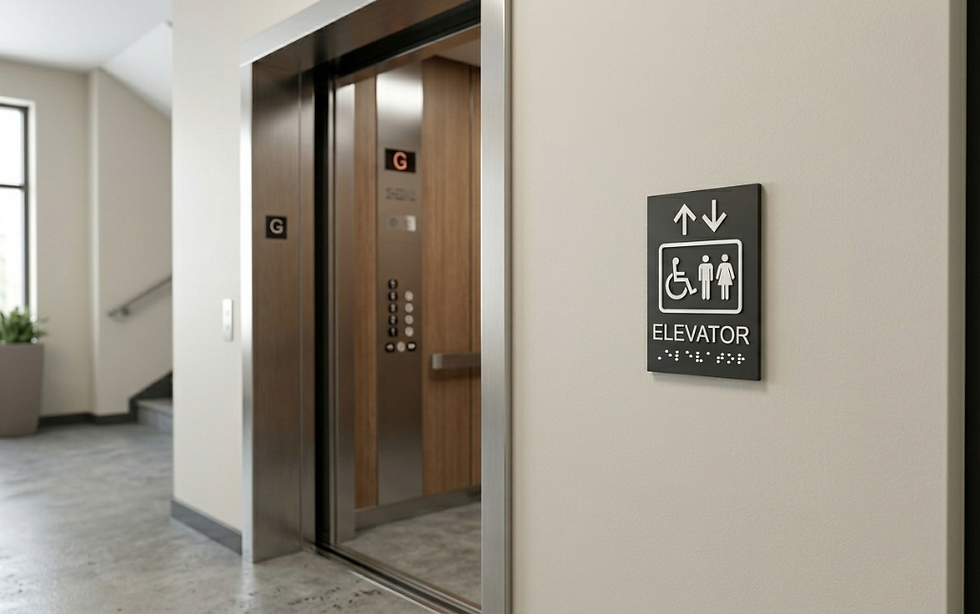
Multifamily property owners today operate in a setting that combines risk management, experience, and compliance. Operators frequently concentrate on structural improvements and amenities, but visual accessibility—particularly ADA signage—is one of the most crucial compliance layers that is sometimes overlooked.
In locations like leasing offices, clubhouses, parking lots, and amenity areas, ADA-compliant signage is crucial to ensuring that people can move around safely and easily. However, due to renovations, rebranding, or simply not paying attention, many multifamily complexes unintentionally stop adhering to the regulations.
This guide provides you with a clear, step-by-step method for examining the ADA accessible signs on your site, learning about the regulations pertaining to ADA signage, and implementing a repeatable compliance strategy.
Why ADA Signage Compliance Matters in Multifamily Housing
You need to know why ADA signs need extra care before you start audits and checklists. A lot of operators think that following accessibility requirements is largely about ramps and elevators, but signage are just as vital for both legal and practical reasons.
The Americans with Disabilities Act specifies that public venues and common areas must be easy to get to. This type of housing usually has leasing offices, facilities, parking lots, and shared halls.
The Fair Housing Act also makes sure that residential buildings are accessible, therefore both statutes have some of the same duties.
Not following the ADA's rules for signs can lead to:
Complaints to the Department of Justice
Letters of demand from the law
Checking insurance
Costly upgrades
Financing or transactions that take longer
Accessibility indicators have an effect on real people as well as on the law. People who reside in or visit the region and have problems seeing need clear navigation and tactile signals to keep safe and on their own.


Comments